
THE BEES’ CALENDAR
The bees’ year follows the sun, so it is exactly as long as ours. But the year does not begin in January; then they are all in deep winter dormancy. In March, however, things begin to happen. A new season is approaching.
Scroll down to read about what happens in the hive month by month.

MARCH
In March, the spring sun begins to warm during the day, but the nights are still freezing cold. One must be careful. March is the month of the great cleansing flight. After a long winter, the bees simply need to go to the toilet! When the sun warms, they fly out, relieve themselves, and return relieved. The queen in the hive begins to lay eggs, and the bees venture out into the spring sun to find pollen with fats and proteins that they need. The willow is early and offers its abundance.
APRIL
April brings more flowers and life in the hive becomes busier. “The one dressed in white” stops by and changes the board at the bottom of the hive. The bees have eaten their winter feed and some wax residues have collected there. Nice with a spring cleaning!
MAY
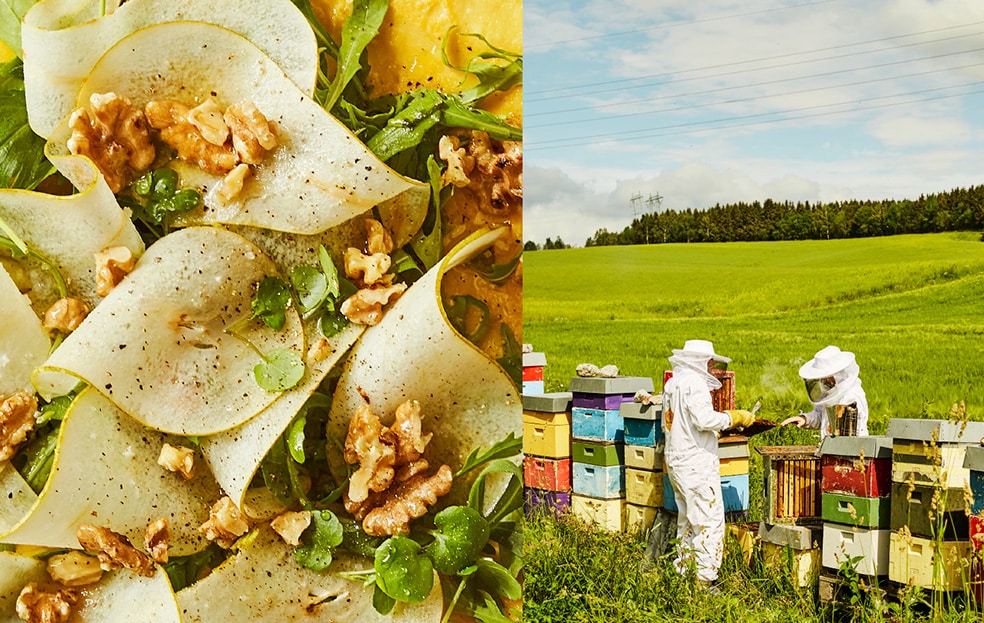
May is truly a busy month for the bees. Everything is in bloom! Fruit trees, berry bushes and dandelions compete for the bees’ attention. All of them tempt with their nectar in exchange for pollination. The bees fly their sweet load into the hive, which fills up. The queen lays eggs and some of the bees work on building hexagonal wax cells for larvae and honey storage. Now the beekeeper enters the picture again, with honey supers and grids that ensure the honey is stored separately from the eggs and larvae.
JUNE
Life in the hive continues, but in some hives it is starting to become crowded. And the queen has grown old and weak. Revolution! The bee colony leaves the hive in search of a new and larger home. The bees swarm. The one dressed in white finds the colony and takes it back to the hive, now with more honey supers and better space. And a new queen is crowned. The bees return to work, and the beekeeper breathes a sigh of relief, one experience richer.
JULY
In July there are still flowers to forage from. The bees collect nectar, which they add enzymes to before placing it in the hexagonal storage cells of wax. To reduce the water content, they fan their wings and drive the moisture out of the hive. When they are satisfied with the quality, the honey cells are sealed with wax caps. Now the hives are full of delicious summer honey.
AUGUST
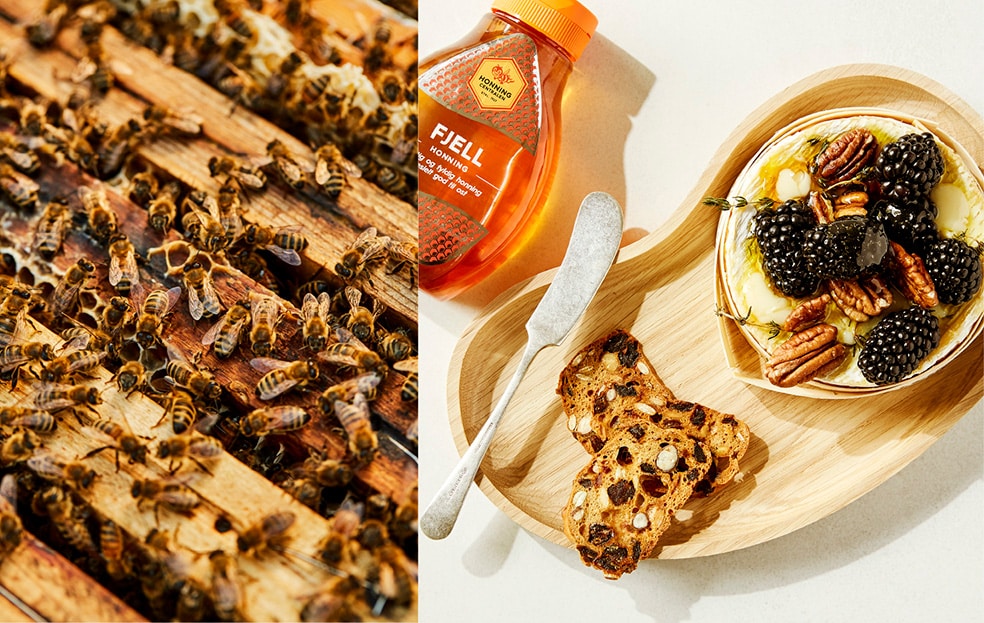
Early in August, the one dressed in white visits again. There is some commotion when all the honey they have painstakingly collected during the summer is removed, but when they receive plenty of sugar syrup in return, tempers settle. The beekeeper takes the wax combs and uses an extractor to remove the honey, which is poured into large buckets and delivered to Honningcentralen.
Some bees get an early autumn holiday in the mountains. Although it is not really a holiday. The entire hive is transported to the mountains where there is heather for the bees to forage from. The queen orders them out to collect nectar. She demands full effort, seven days a week. They must work hard, as autumn is approaching. The heather honey they produce is somewhat darker than the summer honey and stronger in taste.

SEPTEMBER
September and autumn, there are not many flowers left for the season. The nights become cold and the bees realize that winter and dormancy are approaching. In the feeder there is plenty of sugar syrup that the bees store in the wax cells to consume during the winter.
OCTOBER
October arrives. The bees are sleepy and barely notice that the one dressed in white checks that the hives are as they should be. The entrance openings must not be too large, otherwise mice can enter the hive. The beekeeper is otherwise busy cleaning the honey extractor and all the equipment used for feeding.
NOVEMBER – FEBRUARY
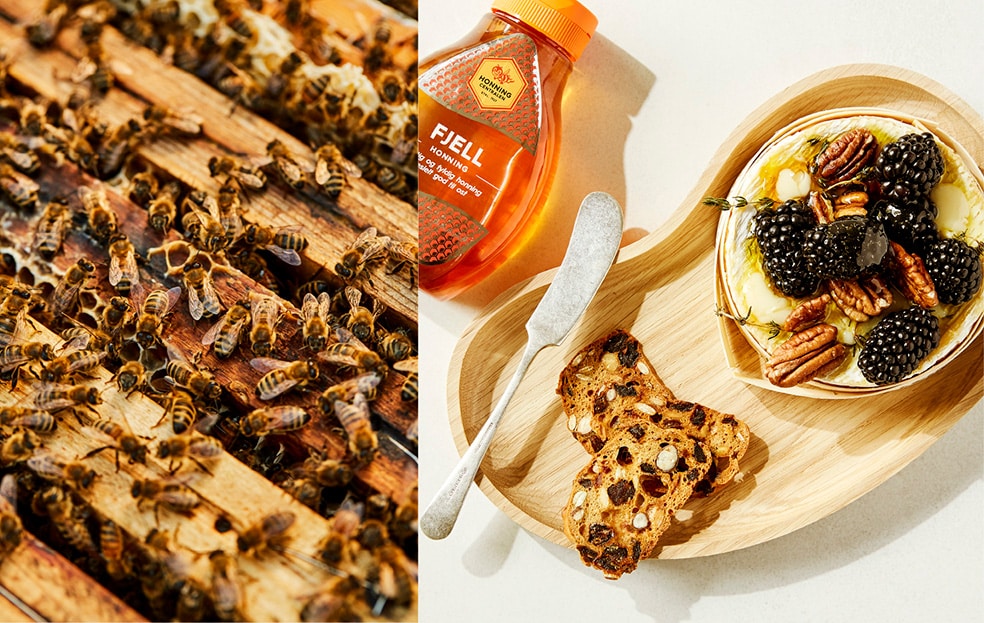
The bees have clustered together and lie in a cluster around the queen. They protect each other from the cold. They feed on the sugar stores and wait for a new spring. Now they do not want to be disturbed, only to rest.
The beekeeper also has a quiet winter. Some maintenance and inspections from time to time, and plenty of time to plan the next season.
(The content is protected by copyright)