

IS HONEY HEALTHY?
There is a long tradition of using honey especially for sore throat and for wound injuries. In addition, honey is said to be beneficial for digestion and to strengthen the immune system. We have tried to summarize the most important aspects of what is true and what is more uncertain.
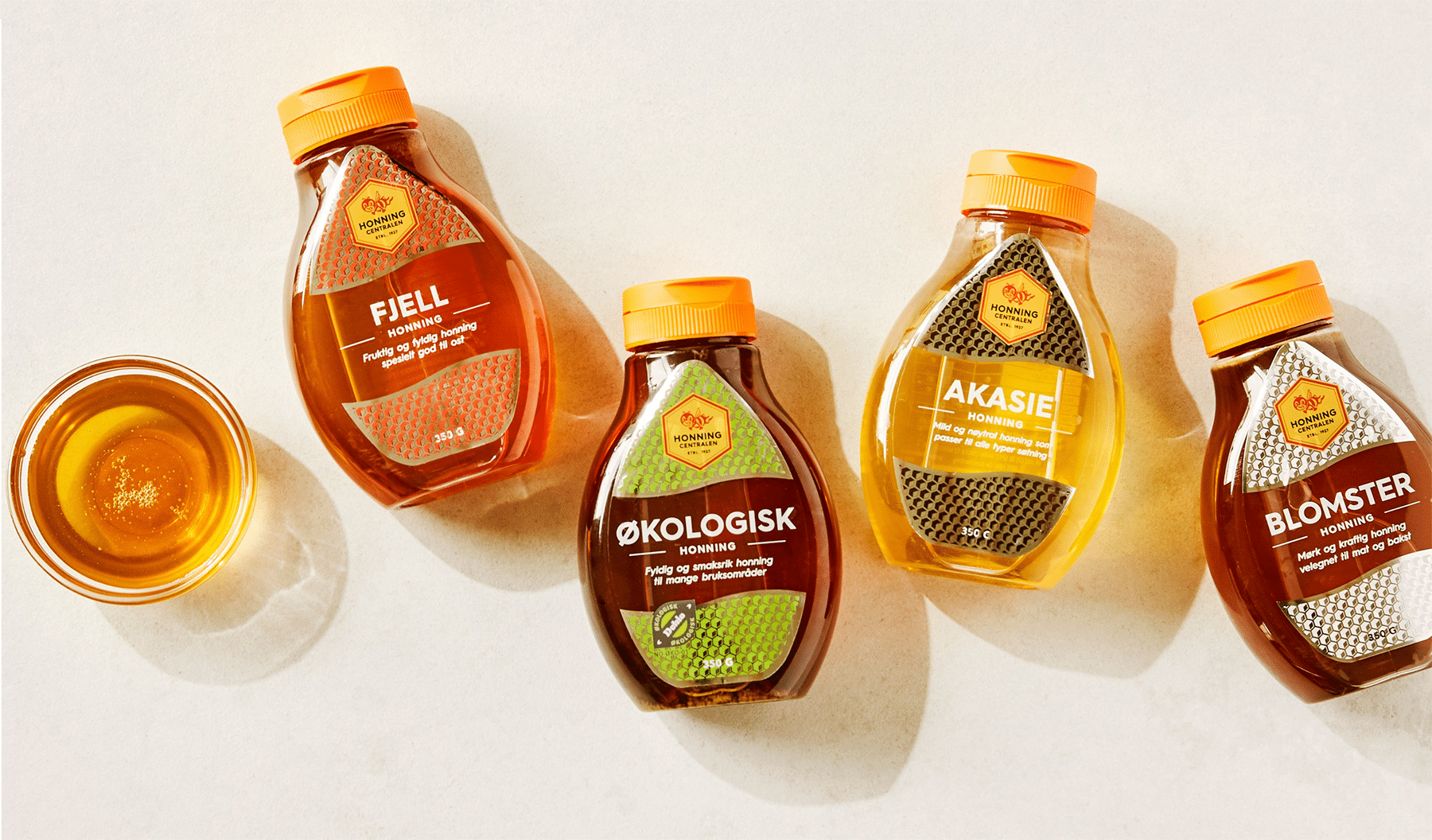
Very many of us have grown up with and still swear by warm drinks with honey, and often also with lemon and ginger. In a guide issued by the British health authorities (NICE), honey is recommended for cough caused by upper respiratory infections. Norwegian health authorities have endorsed this advice, so we can safely say that honey works against cough.
In addition to having a documented effect against cough, honey alone and together with warm drinks provides a soothing feeling when you feel a bit “under the weather.” If you are ill, however, it is always the doctor who knows best!
https://www.nice.org.uk/guidance/NG120
Honey for wound treatmen
Honey is antibacterial (bacteria do not survive in honey), and we know it has been used for wound treatment for several thousand years. In modern times, antibiotic treatment has largely taken over. However, treatment of wounds with honey on animals is still quite common. Today there is growing interest in the use of honey also in healthcare, not least because of increasing antibiotic resistance. As of today, not enough research has been conducted in this area to determine what effect honey has on wound treatment. This is being worked on from several directions. If you nevertheless wish to try honey on wounds, contact a doctor first! Under no circumstances should you use regular honey. Honey for wound treatment must be medically sterilized and is available at pharmacies.
Energy supplement – advantage of honey
Honey contains large amounts of fructose and glucose and is therefore an effective source of energy. Many of yesterday’s sports heroes swore by honey as a stimulant during training and competitions. Modern sports drinks have largely taken over, but honey is still used by many athletes who prefer a completely natural energy supplement.
Other health benefits?
Honey contains a number of good and important vitamins, minerals, trace elements and antioxidants. The amounts are small, however, so it is an exaggeration to say that this gives honey a health effect. “A spoon a day,” which many swear by, does no harm, and the effect of believing that it is good for you is important!
Natural sugar substitute
Honey is a fantastic sweetener, produced by diligent bees that, in exchange for the nectar they collect for honey, pollinate other plants in nature and agriculture. That is sustainability! Honey is a traditional and popular spread, while it can also replace sugar in a variety of uses with better taste and effect than sugar can provide. And remember: Honey is sweeter than sugar, so if you replace sugar with honey you can reduce the amount of sweetener by 10%! Honey also contains fewer calories (334 kcal/100 g) than sugar (386.7 kcal).